

·Economy, Policy & Society
Guarding the Grain
Every new check on India’s ration system was meant to stop theft. None was designed to ask who gets turned away when it fails.
NA

Nandita Abraham
Founding Dean | BITS Design School, Mumbai
People think design means the visible, the object, the space, the interface. The choices that actually decide how something works are often buried in how a database is structured, who's copied on a decision, how a team is organised, what a policy assumes about the person it's meant for. None of that gets called design.By Design is a way of seeing the world: what a system set out to solve, who it actually served, who got missed, and whether that answer still holds up. A constitution counts. So does a payments network, a supply chain, a pattern drawn in rice flour outside a door every morning. Different objects, same four questions.
4 articles
Every new check on India’s ration system was meant to stop theft. None was designed to ask who gets turned away when it fails.
Nandita Abraham
Founding Dean | BITS Design School, Mumbai

India’s school system was built to educate at scale. Its classrooms, exams and incentives reveal what that design rewards—and the individual child it struggles to see.
Nandita Abraham
Founding Dean | BITS Design School, Mumbai

India has spent eight decades bringing healthcare within reach. But roads, trust, gender and the freedom to be sick still determine who can actually use it.
Nandita Abraham
Founding Dean | BITS Design School, Mumbai
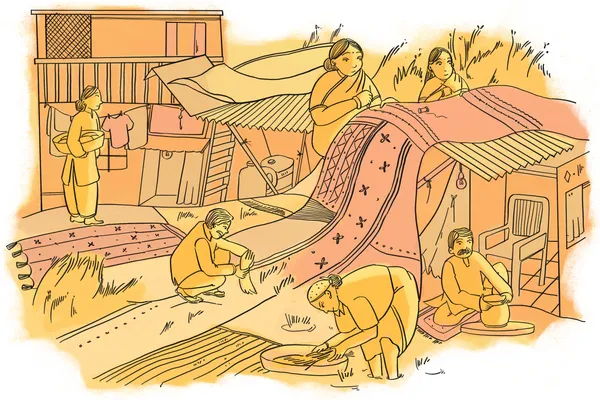
Three basic needs. Sixty years of policy choices. A country still living with the trade-offs. How India designed for food, livelihoods and shelter—and who those choices left out.
Nandita Abraham
Founding Dean | BITS Design School, Mumbai
You've reached the end of this column.