The US–Israel War on Iran: The Risks to India’s Strategic Hedging
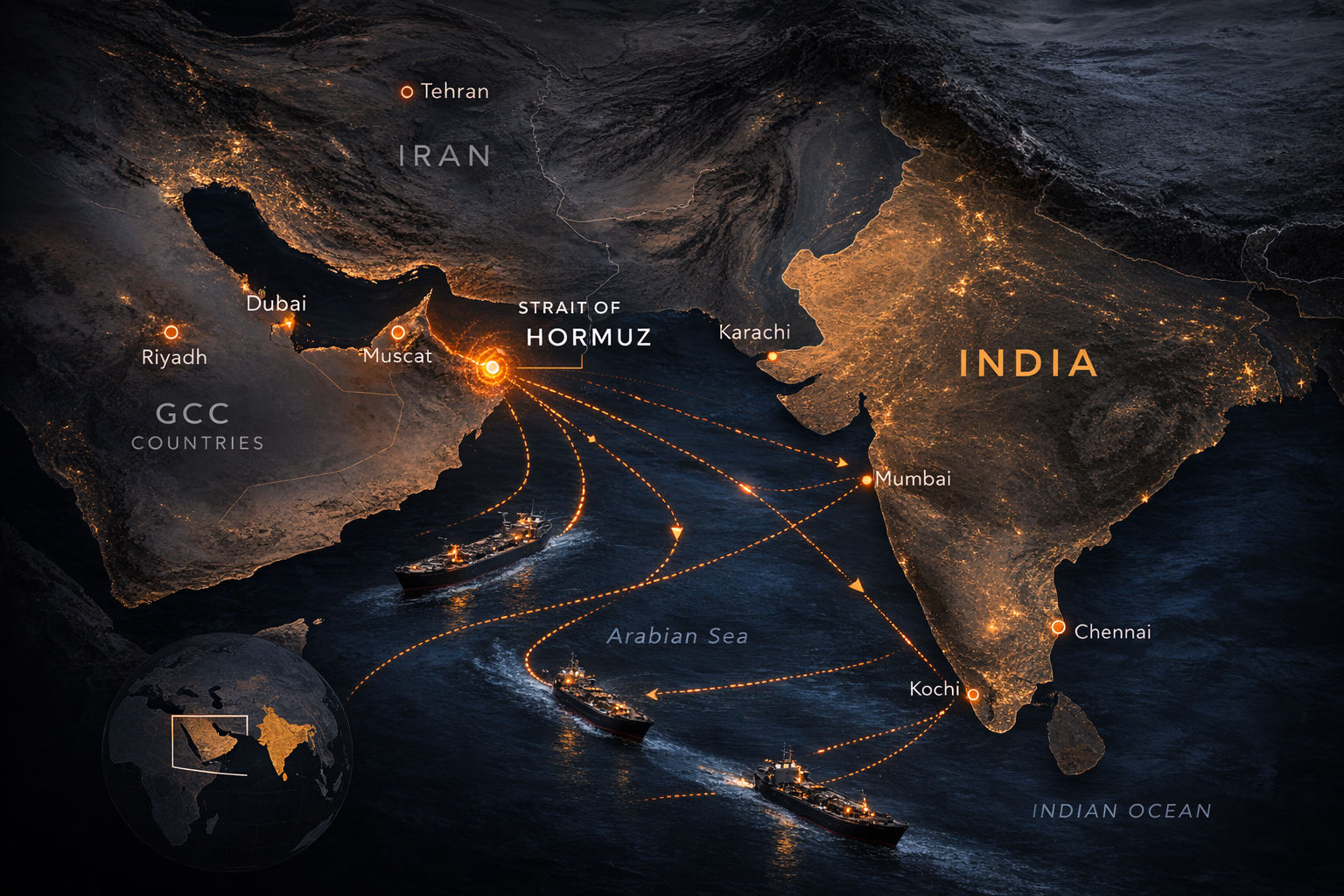
Energy dependence, remittance flows and trade corridors reveal how deeply India’s economy is tied to stability in West Asia. Part II of a two-part series.
124 results

Energy dependence, remittance flows and trade corridors reveal how deeply India’s economy is tied to stability in West Asia. Part II of a two-part series.

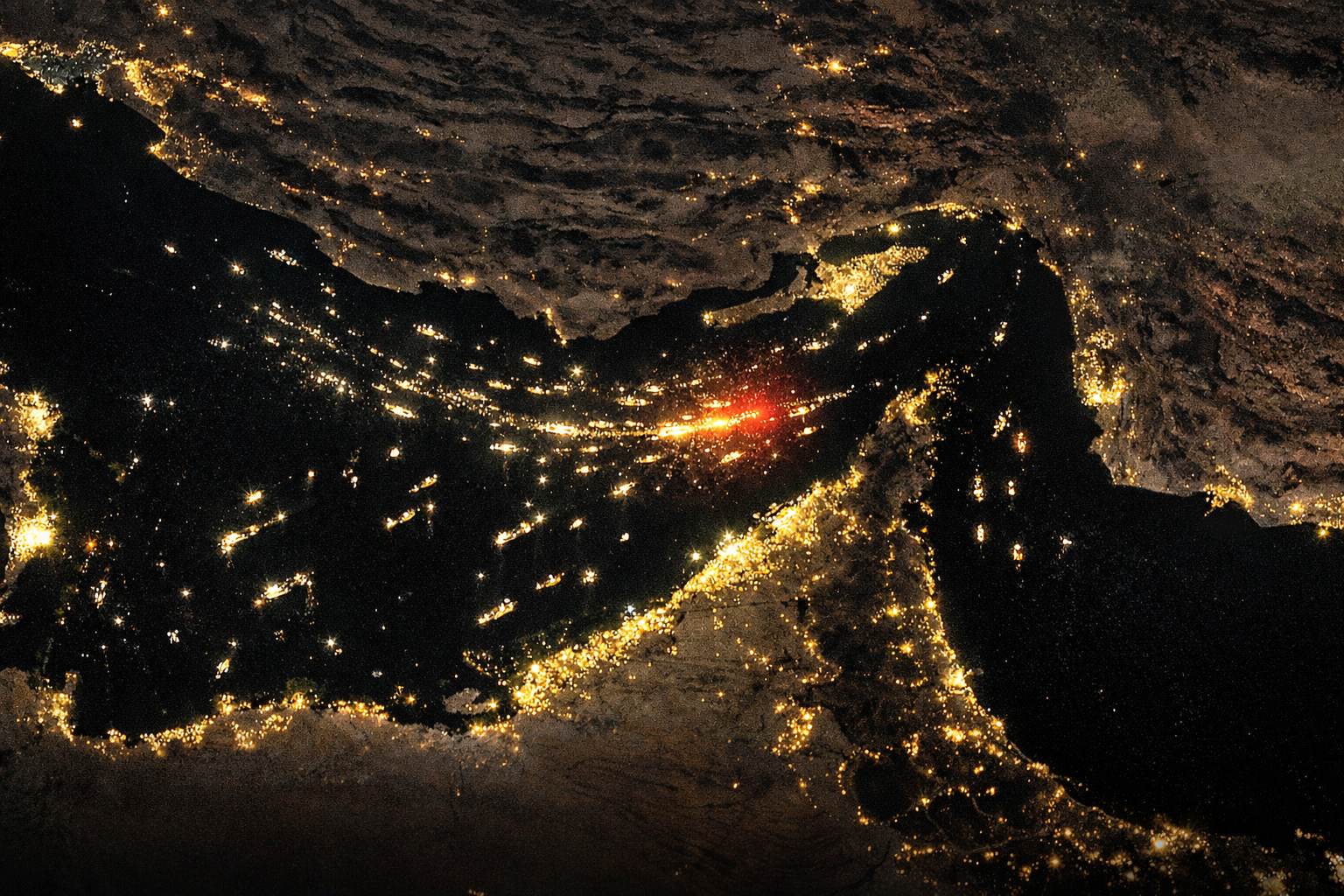
Energy chokepoints, proxy escalation and great-power recalibration are reshaping the Gulf and unsettling the global order. Part I of a two-part series.
Even if Trump’s tariffs disappear, the forces reshaping global trade—geopolitics, security concerns and reconfigured regional blocs—are here to stay

As major powers turn artificial intelligence towards science and national security, India must widen its AI vision beyond inclusion and productivity

Speed is not strategy. The real battle is over sovereignty, science and state capacity

What India’s agreements with the US and EU reveal about power, policy space, and calibrated accommodation

Carrier strike groups, nuclear deadlines and a brittle regime in Tehran are converging on a moment where Washington may discover that every move—strike, sabotage or restraint—ends in escalation

Why India’s future power will be shaped less by diplomacy and more by trade architecture

Economic collapse, political revolt and great-power rivalry converge in Iran’s most dangerous moment in decades.

What prolonged global conflicts mean for Europe, China—and India’s narrowing strategic space.

As the world fixates on large language models, a quieter shift toward world models, scientific AI and safety is reshaping global power

How Trump’s tariffs, Europe’s capitulation, China’s counter-moves and India’s narrowing room for manoeuvre reshaped the global order.

Ambassador Shyam Saran on a post-American order, a slowing China, and how India must balance room for manoeuvre with hard-headed realism on Russia, the US and China.

Europe entered 2025 already strained by war, fractured politics, and economic anxiety. As Philippe Le Corre explains, this was the year when three pressures collided—an unending war in Ukraine, a drastically altered transatlantic dynamic under Trump 2.0, and a more openly competitive China

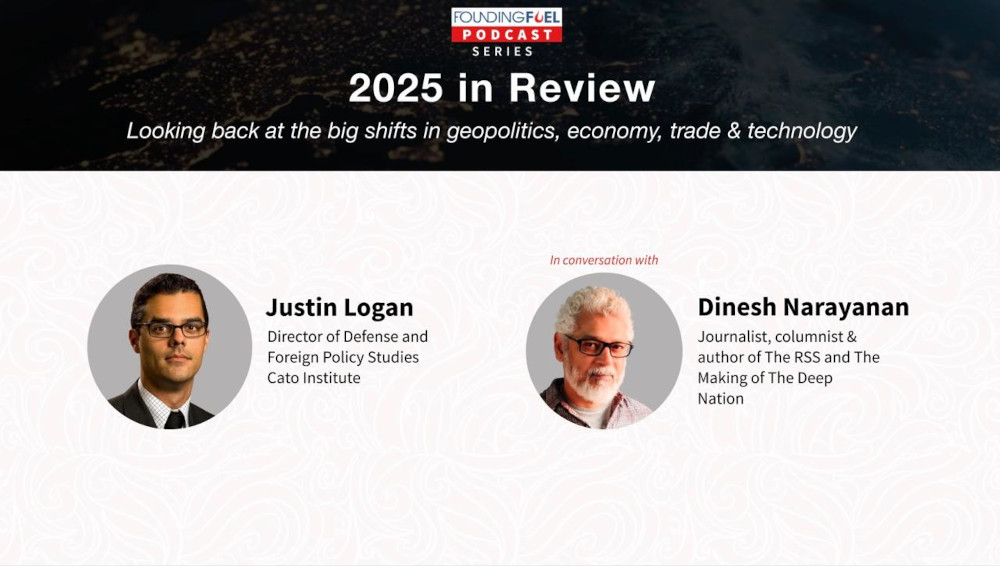
Justin Logan of the Cato Institute on how Trump’s second term reshaped global trade, defense alignments, and America’s domestic equilibrium—and why the turbulence may be far from over

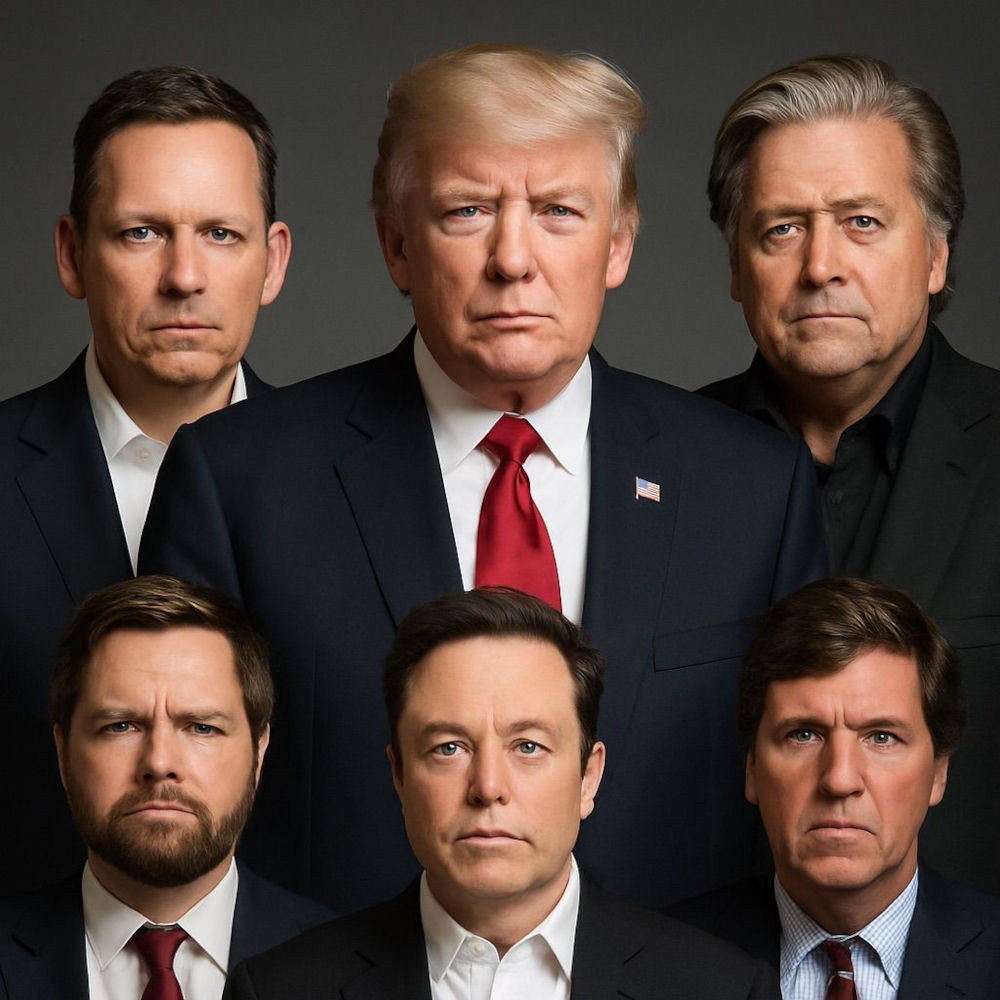
Three competing visions inside the MAGA movement—over AI, immigration and national sovereignty—may determine America’s technological doctrine for the next decade

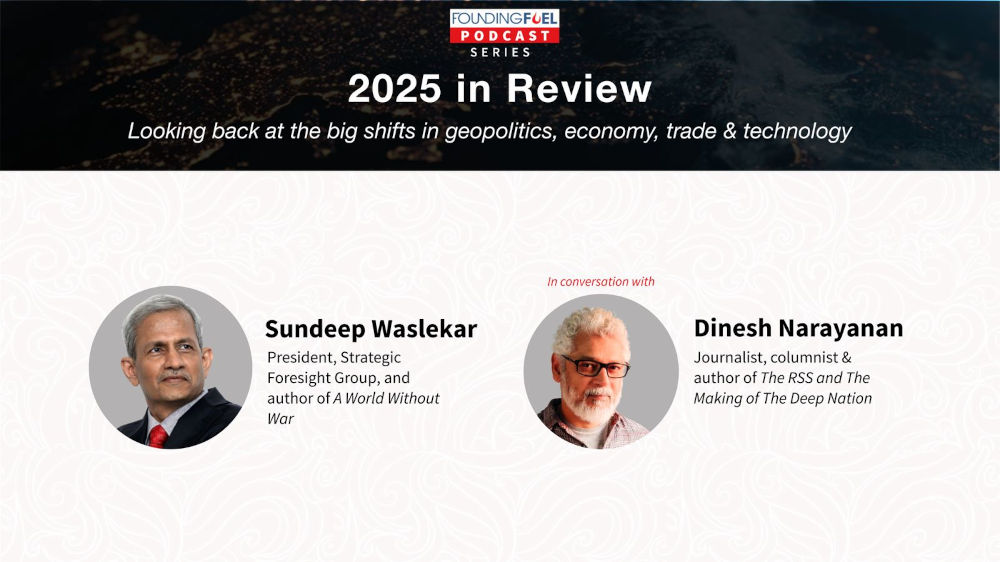
Sundeep Waslekar, president of Strategic Foresight Group, on a West in turmoil, an international order in free fall, and an AI race racing ahead of rules.

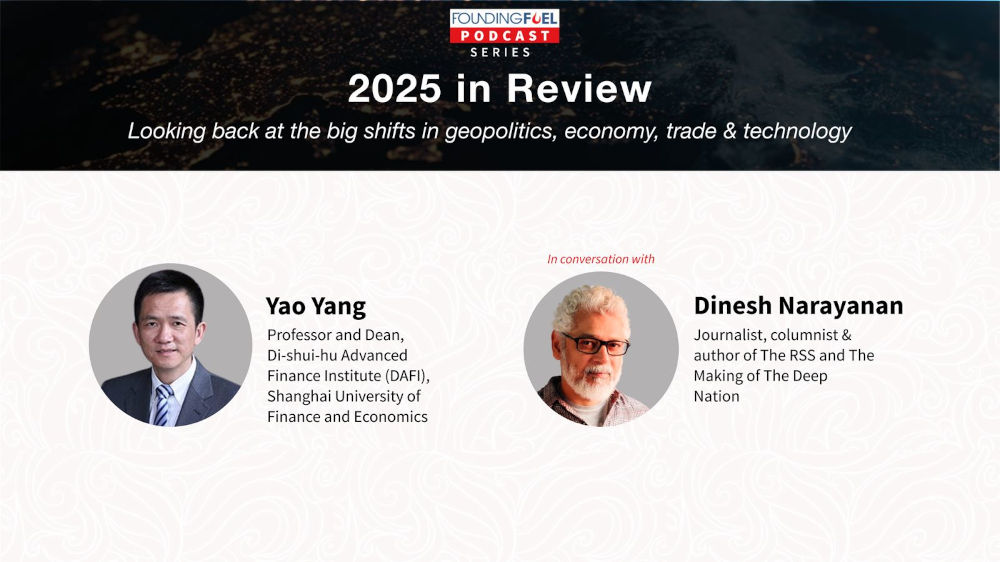
How does China see the Trumpian reset of the global order? What's really happening inside its domestic economy? And are we seeing signs of a thaw with India? A conversation with Chinese economist Prof. Yao Yang

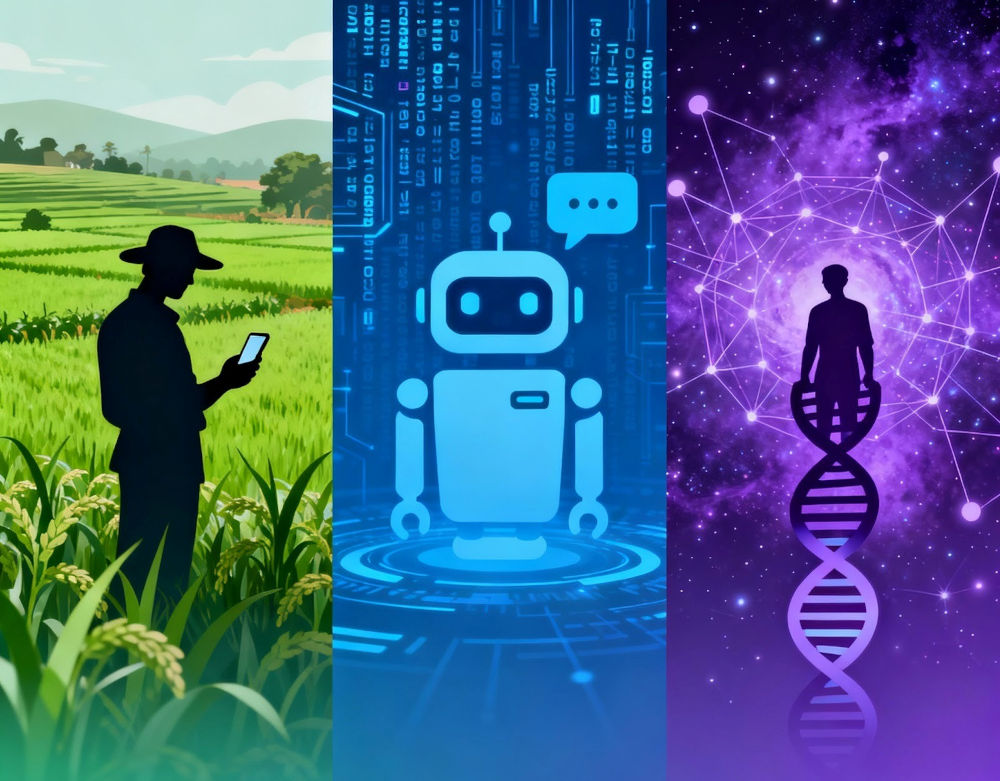
Beneath the chatter about chatbots, a deeper contest is unfolding—between nations, companies, and scientists racing to build the AI that will control life itself

Tariffs were designed for a world of steel and sugar. They’re hopelessly out of sync with the quantum-entangled world of semiconductors

Israel’s strike on Qatar has triggered a dangerous new phase in the Middle East — exposing Washington’s conflicting roles as ally and broker

As with the atomic bomb, a new technology threatens humanity. Will we look up this time—or repeat history’s worst mistake?

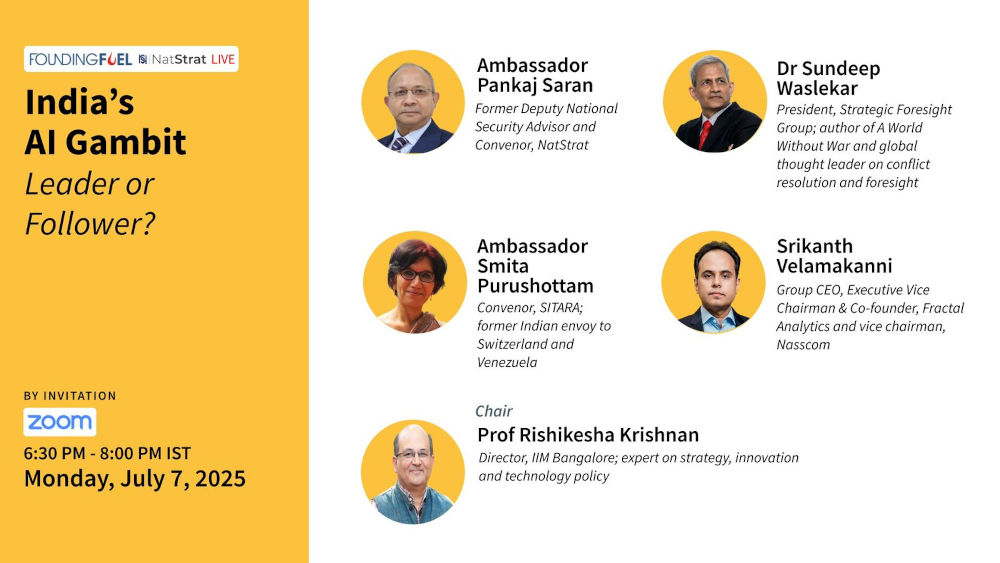
What will it take for India to lead, not just react, in the age of AI? An exclusive Founding Fuel - NatStrat Live session

In the Indo-Pacific, America’s transactionalism collides with its strategic incoherence—posing hard choices for its partners

How India can shape, not just follow, the global rules of AI governance

AI can detect disease and find medicines which no doctor can. It can also develop biological weapons which do not exist on the earth

Ukraine’s critical minerals deal with the US hangs on the edge of a precipice. Will it be a harbinger of peace with Russia? Or a deal too complex for even Trump to swing?

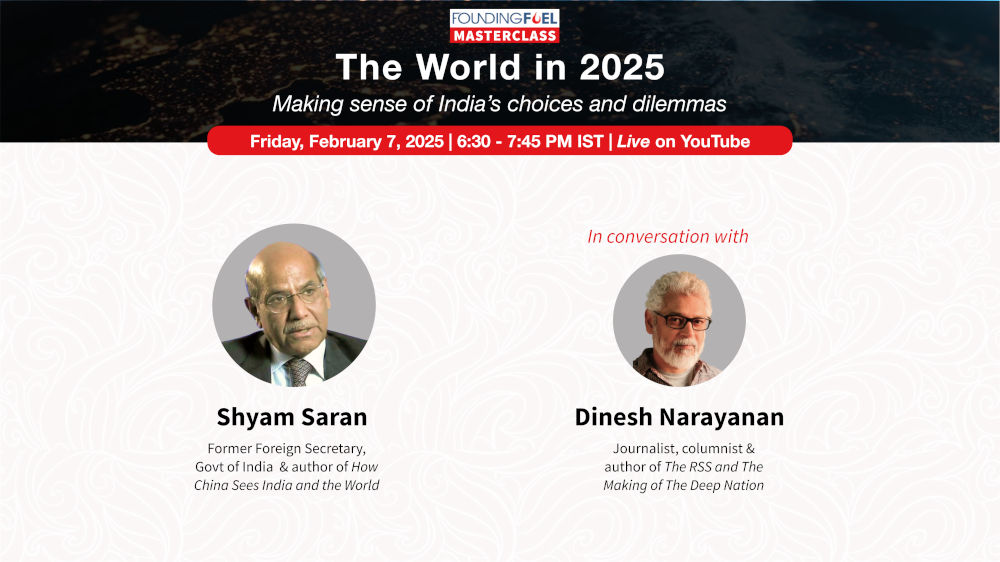
15 takeaways from Part 2 of the two-part Masterclass series with former foreign secretary Shyam Saran

17 takeaways on the new dynamics in geopolitics and geoeconomics, especially after Donald Trump’s inauguration as US president, the shifting sands in the Middle East with conflict and informal fragile truce, and the big decadal shifts

The defining challenges for India as it tries to balance demands from the US administration, and its own Asian backyard, which is increasingly coming under the dragon’s shadow

Six industries to watch as the complicated relationship between the two countries in geopolitics extends to technology too

The ghosts of the past will continue to haunt long into the future

Even as Trump signed a flurry of executive orders, the tensely awaited tariff orders were conspicuous by their absence

The big powers are escalating the AI race, but some scientists fear that the technology will spin out of human control

Insights from The Economist’s report ‘The World Ahead 2025’

What are the implications of the US-China rivalry for companies, global trade and India in particular? The Masterclass is a culmination of a weeklong curated learning experience

Security and economic realism determine much of today’s trade. The third and final in a three-part series to set context for the Masterclass on Geopolitics and Global Trade

Geopolitics, geo-economics and India’s positioning in the region. The second in a three-part series to set context for the Masterclass on Geopolitics and Global Trade

The first in a three-part series to set context for the Masterclass on Geopolitics and Global Trade

With Bangladesh wobbly, India is now surrounded by unstable states with restive populations and fidgety militaries

Fires of war are burning in several parts of the world. And the US-China hegemonic rivalry is now real. But even amidst the uncertainty there are clear signals about how geo-economics and geopolitics could shape up. Part 1 in this 3-part series dives into the paradoxes that will shape supply chains and geo-economics

Two clear blocs are emerging, one led by the US, the other by China. However, it’s not another Cold War. Part 2 in a 3-part series on the shape of the world in the next 5 years

In a complexly layered world, neither the US nor China will be an absolute hegemon. The final in a 3-part series on the shape of the world in the next 5 years

The US, China and Russia are entangled in a complex way. And the rising tensions in the region are already disrupting shipping and the oil trade

A stellar panel unpacks the primary drivers of complex change facing the world: The implications of elections in more than half the democratic world; the US-China rivalry and the economic disruptions of their mutual de-risking; assessing Global South as a tangible international entity; and more

China may have already stolen a march with its massive financing, infra investments and deals to access natural resources and stranglehold on markets across the developing world. Yet India may still have some aces up its sleeve. The sixth and final column in our Year End Special series on making sense of the biggest economic and geopolitical shifts and what they signal

The political economy calculus in Africa is changing. Any China-EU rivalry in Africa will only benefit the continent. The fifth column in our Year End Special series on making sense of the biggest economic and geopolitical shifts and what they signal

And does China have the capability to increasingly dominate this space? The fourth column in our Year End Special series on making sense of the biggest economic and geopolitical shifts and what they signal

Neither of them wants an economic MAD (mutually assured destruction), and this is a tactical pause. This is the third column in our Year End Special series on making sense of the biggest economic and geopolitical shifts and what they signal

Europe is caught between the left and right, antisemitism and Islamophobia, accepting asylum seekers and pushing back boats. The time for a delicate balancing act may be over. This is the second column in our Year End Special series on making sense of the biggest economic and geopolitical shifts and what they signal