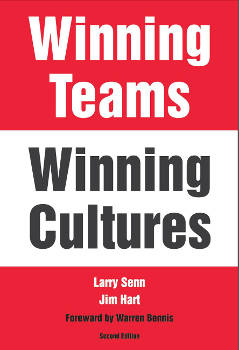
Winning Teams, Winning Cultures
By Larry Senn, Jim Hart
The success of any change is linked to human dynamics—the culture. Yet cultures have a way of maintaining the status quo. Senn Delaney's Larry Senn and Jim Hart tackle that dilemma in their book 'Winning Teams, Winning Cultures'
Operating Partner | Advent International
Shivakumar is Operating Partner at Advent International. Before this, he was President (Corporate Strategy and Business Development) at Aditya Birla Group. Earlier assignments include: Chairman & CEO at Pepsico India and prior to that, Managing Director at Nokia India. Before joining Nokia, he worked with consumer electronics maker Philips and top consumer goods firm Hindustan Unilever. He is an engineer from IIT Chennai and an MBA from IIM Calcutta.
Shivakumar has written three books: Reflections - a collection of Shivs articles; The Right Choice - Resolving Ten Career Dilemmas; and The Art of Management. The latter two are business bestsellers.
FF Insights: Sharpen your edge, Monday–Friday.
FF Life: Culture, ideas and perspectives you won't find elsewhere — Saturday.

Founding Fuel is sustained by readers who value depth, context, and independent thinking.
If this essay helped you think more clearly, you may choose to support our work.

Founding Fuel is sustained by readers who value depth, context, and independent thinking.
If this essay helped you think more clearly, you may choose to support our work.
Ahead of Tata Sons’ pending AGM, the fight over leadership and listing is widening. A lasting settlement must resolve who decides, how capital is used and whose interests count.

Satish Pradhan
Independent Consultant
Ahead of Tata Sons’ pending AGM, the fight over leadership and listing is widening. A lasting settlement must resolve who decides, how capital is used and whose interests count.
Independent Consultant
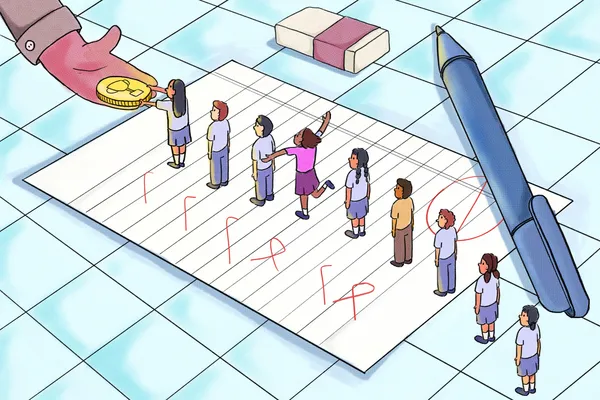
India’s school system was built to educate at scale. Its classrooms, exams and incentives reveal what that design rewards—and the individual child it struggles to see.

Nandita Abraham
Founding Dean | BITS Design School, Mumbai
India’s school system was built to educate at scale. Its classrooms, exams and incentives reveal what that design rewards—and the individual child it struggles to see.
Founding Dean | BITS Design School, Mumbai

A leader can light the spark. The harder question is what happens to the fire afterwards?
Satish Pradhan
Independent Consultant
A leader can light the spark. The harder question is what happens to the fire afterwards?
Independent Consultant
Dive into other themes from our network.