

·FF Life
Tools and the Shape of Us
How to stop wasting time on tools without going deaf to what is changing
KA

Kavi Arasu
Works at the intersection of people, systems, and organisational change
Works at the intersection of people, systems, and organisational change
Kavi Arasu works at the intersection of people, systems, and organisational change. His work has taken him across multinational corporations and high-growth enterprises in India and internationally, giving him a grounded view of how transformation actually plays out, as opposed to how it gets described in strategy decks.
Over the last decade, his work has centred on partnering with CEOs and senior leadership teams through business transitions, digital transformation, and cultural change. He has supported leadership transitions, post-M&A cultural integration, and the kind of long-term stewardship of values that rarely gets noticed until it's missing. AI is now one strand of that work. Leaders are trying to work out what it changes and what it doesn't, and that question sits comfortably inside the change problems he has spent decades on.
He runs Flyntrok, an advisory practice built around change challenges that rarely arrive with instructions. He also teaches at a leading business school and speaks at leadership forums internationally. He used to run long distances. These days he runs Flyntrok instead, which he maintains is no less demanding.
He works very closely with the core team at Founding Fuel on learning and change initiatives and is a regular contributor. He lives in Mumbai, a city he finds well suited to thinking clearly amid constant motion.
How to stop wasting time on tools without going deaf to what is changing
Kavi Arasu
Works at the intersection of people, systems, and organisational change
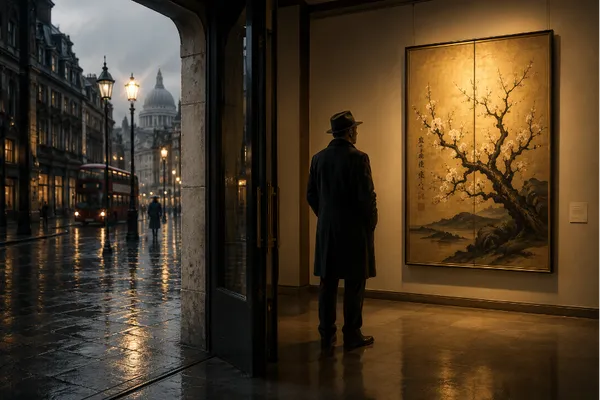
The things we learn outside our fields may sharpen how we see the world. But perhaps they matter most when we stop asking what they are useful for
Kavi Arasu
Works at the intersection of people, systems, and organisational change

The future changes when someone pauses long enough to ask a simple question: Why?
Kavi Arasu
Works at the intersection of people, systems, and organisational change

What happens when progress stops asking for permission?
Kavi Arasu
Works at the intersection of people, systems, and organisational change

As work becomes less visible, the systems used to measure it are starting to fail—and expose what they were really rewarding
Kavi Arasu
Works at the intersection of people, systems, and organisational change

What looks like motivation—war footage, heroic narratives, calls to crush the competition—is often something else entirely: a system of thinking that rewires how organisations see markets, customers, and themselves
Kavi Arasu
Works at the intersection of people, systems, and organisational change

When producing things is mistaken for thinking: AI hasn’t created this habit—it has simply made it faster and harder to spot. Revealing the gap between output and judgement inside organisations
Kavi Arasu
Works at the intersection of people, systems, and organisational change

Why the real risk in the return-to-office debate isn’t resistance, but the quiet erosion of judgement and capability
Kavi Arasu
Works at the intersection of people, systems, and organisational change

How small everyday choices shape cultures, organisations, and the societies we become
Kavi Arasu
Works at the intersection of people, systems, and organisational change

In an age of noise, overload and drifting meetings, facilitation is no longer a “tool”, it’s a core leadership discipline
Kavi Arasu
Works at the intersection of people, systems, and organisational change